







Search Results for: new beans old beans aged beans
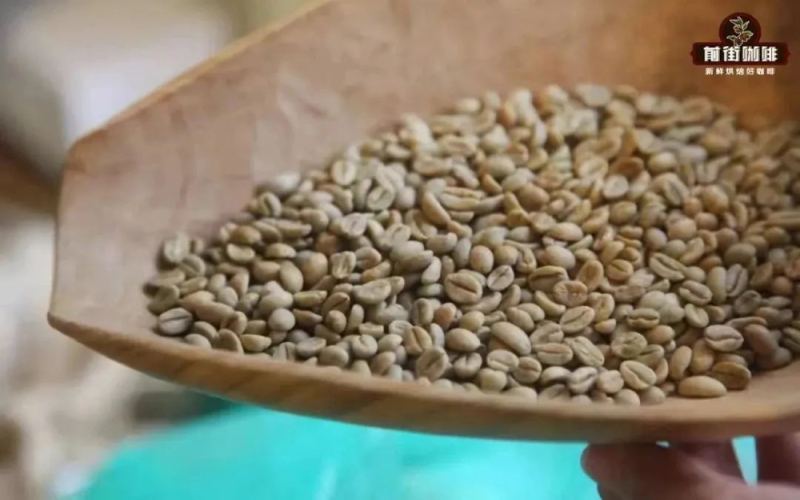
Green Coffee Bean Freshness Grading Guide: How Are New Crop, Past Crop, Old Crop, and Aged Beans Defined?
Green coffee beans are classified into several types based on their degree of freshness: new crop, past crop, old crop, and aged beans. The criteria for determining these categories are not as simple as just looking at the harvest year. Since most specialty coffee beans in China rely on imports, the process from harvesting and processing to transportation often takes several months, so the understanding of what constitutes a "new crop season" cannot be conflated with everyday timelines. Changes in moisture content are the key indicator for distinguishing these beans, and aged beans are a special product deliberately stored for an extended period, fundamentally different from ordinary old crop beans. In this article, Front Street Coffee will systematically sort out the definitions and differences of these types of green beans to help everyone clarify common misconceptions. [more…]
How Long is the Freshness Period of Green Coffee Beans? Distinguishing New Beans, Old Beans, Aged Beans, and Vintage Beans, and Key Storage Points
Many coffee enthusiasts know that roasted beans should be drunk fresh, but green beans also have their own levels of freshness. Beans harvested in the current year are called new crop, those from the previous year are old crop, and those stored for more than a year are aged beans. The moisture content of green beans directly affects roasting difficulty and flavor performance. Washed beans usually range between 11.5% and 12.5%, wet-hulled Mandheling can reach 13%, and sun-dried Mocha varies widely. Beyond the usual freshness changes, there are also deliberately extended aging processes and monsoon-aged weathered coffees. This article focuses on the freshness classification of green beans, differences in moisture content, methods for judging appearance and aroma, and the handling logic behind aged beans and monsoon beans, to help you make more accurate judgments when buying and storing. [more…]
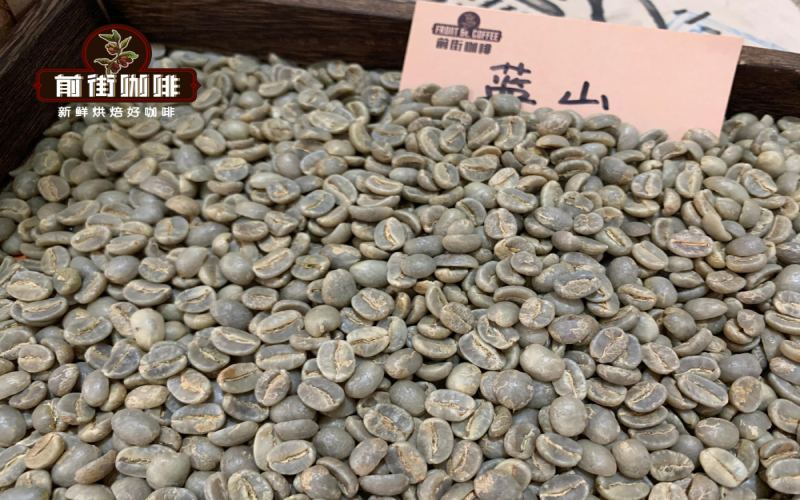
Comprehensive Guide to Green Coffee Beans: Quality Assessment, Crop Year Classification, Shipping Methods, and Storage Essentials
Green coffee beans are the starting point that determines the flavor of a cup of coffee. From color and luster to moisture content, every detail reveals the quality code of green beans; the terms "new crop," "current crop," "old crop," and "aged crop," named by harvest year, record how time shapes flavor. During transoceanic shipping, temperature and packaging methods also influence the fate of green beans—low-temperature containers, temperature-controlled storage, and vacuum aluminum foil bags are all effective means of extending good flavor. The ultimate preservation challenge points to a simple yet expensive answer: vacuum packaging followed by freezing. This article systematically organizes the complete knowledge of green beans from identification to storage, and includes practical advice from Front Street Coffee, taking you deeper into understanding this green seed. [more…]
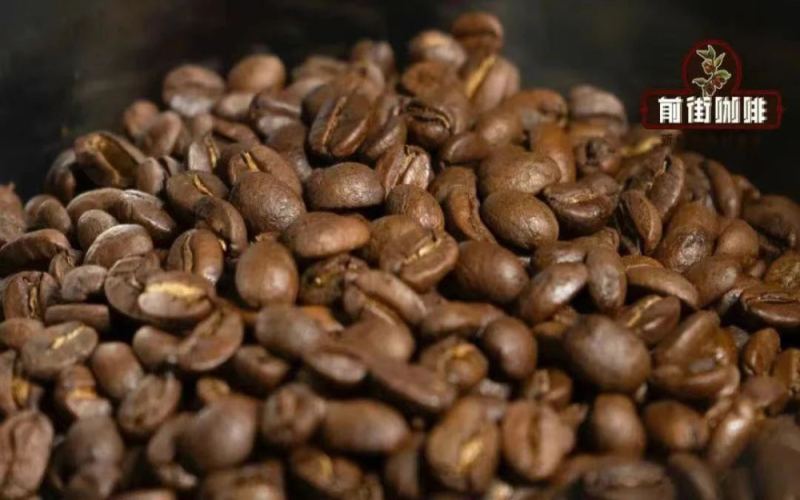
Does green coffee also value freshness? Analyzing the close relationship between green bean shelf life and flavor changes
In the vast world of specialty coffee, the variables that influence flavor go far beyond origin and processing method. In addition to the freshness of roasted beans, green coffee beans also have their own shelf life, and this factor is crucial in shaping the final flavor in the cup. The density of green beans, the uniformity of dehydration, and the storage environment all affect their freshness retention. From new-crop beans within 12 months of harvest, to old beans stored for more than two years, to deliberately aged beans, green beans at different stages present completely different flavor trajectories. Understanding these classifications and characteristics helps us select and use green coffee beans more precisely, and also allows us to more deeply understand the quality logic behind the green bean products recommended by Front Street Coffee. [more…]
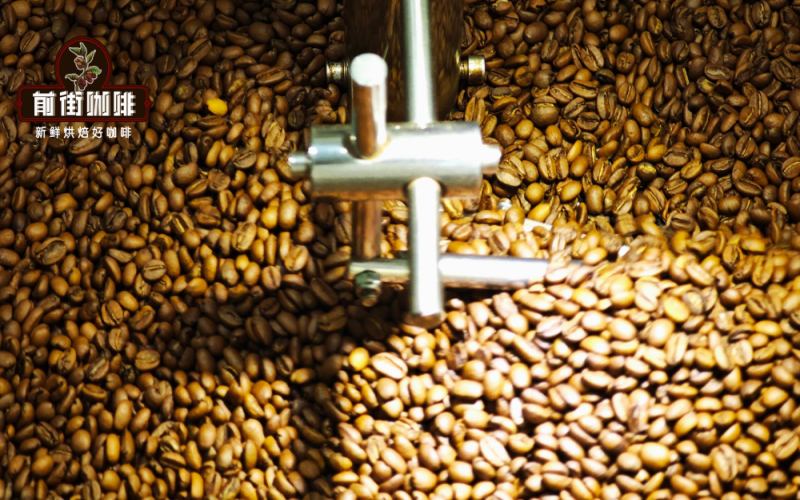
The Origins of Aged Coffee Beans and a Complete Guide to Brewing and Tasting Aged Sumatra Beans
Aged coffee beans are not simply old beans left to sit for many years, but a special processing craft born out of a history of colonial trade. During the Dutch era, Sumatran coffee, in order to supply the European market, underwent long-term storage and shipping that unexpectedly created a unique, mellow and gentle flavor. This article explains in detail the essential difference between aged beans and old beans, the storage conditions and flavor evolution, and includes brewing parameters recommended by Front Street Coffee, to guide you through the rounded, ripe Pu'er-like aged Sumatran coffee with its pine, herbal and caramel sweet finish. [more…]
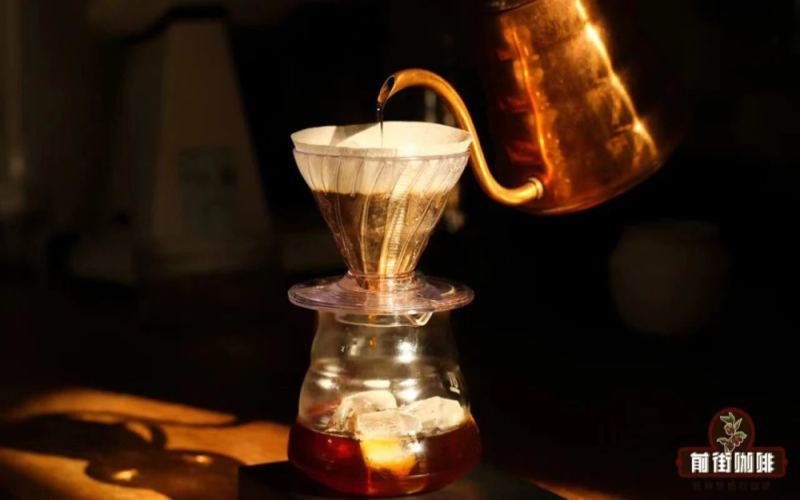
Ice Cube Dosage and Coffee-to-Water-to-Ice Ratio Tips for Iced Pour-Over Coffee: Looking at the Difference Between Aged Ice and Young Ice from Front Street Experiments
When making iced pour-over coffee in summer, the most agonizing decision is often not which beans to choose, but exactly how much ice to throw in. Too little ice and the coffee turns lukewarm; too much and it becomes thin as water. A slight deviation in ratio and it's easy to mess up. This article focuses on the two core functions of ice in iced pour-over—cooling and dilution—breaks down the reasonable ratio range among coffee grounds, water, and ice, and shares a comparative experiment about old ice versus young ice. The experiment uses 15 grams of Emerald Estate Green Label Geisha with a Hario V60 dripper, revealing through actual testing how freezing time affects ice hardness and melting speed. If you also want to consistently make a cup of iced pour-over at home with moderate strength and lasting chill, the following content is worth reading to the end. [more…]
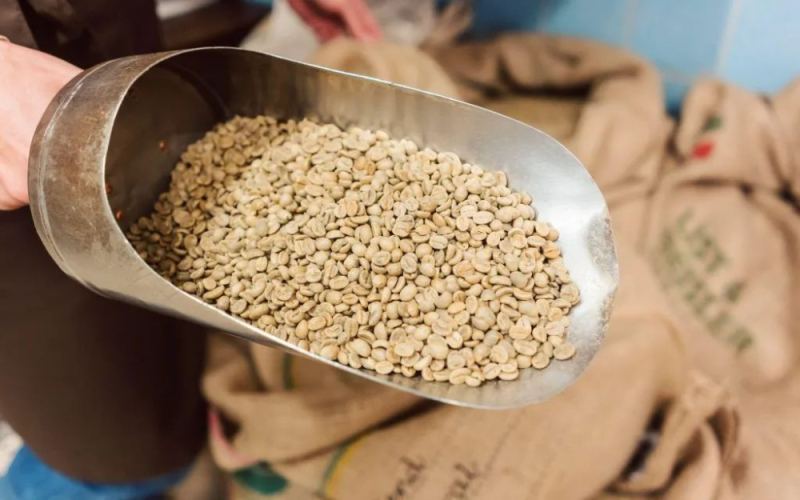
ICE Arabica certified stocks fall to a 24-year low, with nearly 30% of green beans stored for over a year becoming aged beans
Intercontinental Exchange's certified arabica green coffee inventory has plummeted to a 24-year low, totaling just 368,000 bags. More alarmingly, nearly one-third of these beans have been sitting in delivery warehouses for over a year, becoming stale coffee. This situation stems from spot prices exceeding futures prices, prompting roasters to buy directly from exchange stocks, while congestion at Brazilian ports makes replenishment with new beans a distant prospect. The combination of low inventory and the stale bean problem, compounded by global economic and financial uncertainty, has led the market to widely expect green coffee prices to remain highly volatile in the medium term. [more…]
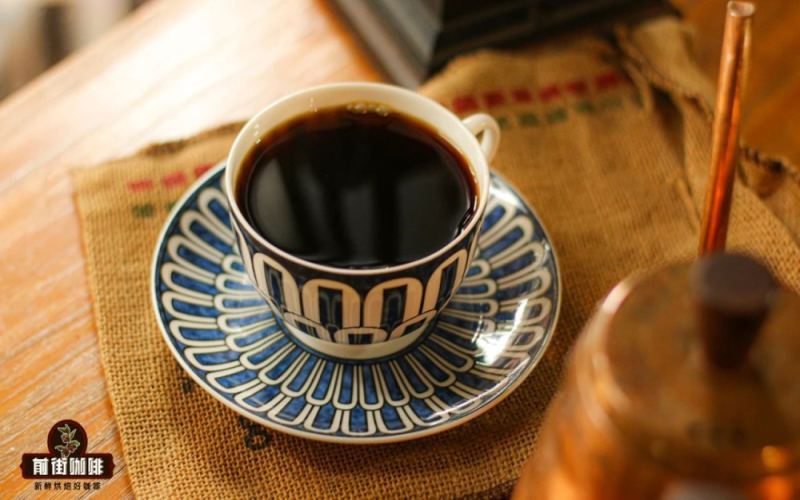
An Analysis of the Flavor Differences Between Aged and Fresh Mandheling, Plus Front Street Coffee's Brewing Parameters
Mandheling is a familiar name among coffee lovers, but aged Mandheling, which has undergone long-term storage and maturation, takes on a completely different flavor profile. This article, from the perspective of Front Street Coffee, explains the processing logic behind aged Mandheling, how it should be compared with fresh beans, and fully documents the specific parameters of Front Street's roasting and brewing of this bean. Aging is not simply letting beans grow old, but rather resting and maturing them under strict monitoring at origin, allowing acidity to weaken and body to increase, developing complex notes reminiscent of honey and herbs. The article also provides a KONO dripper brewing method and flavor description, making it a useful reference for readers who want to gain a deeper understanding of aged Mandheling. [more…]
The Origin of Indonesian Aged Mandheling and an Analysis of Its Differences from Indian Monsooned Beans
Indonesian aged Mandheling and Indian monsoon Malabar both belong to the category of coffees that acquire a unique flavor unexpectedly due to changes in time and transportation conditions, but their processing logic and final presentation are entirely different. Aged Mandheling reduces acidity and increases body and honey-like sweetness through long-term warehouse aging, while monsoon coffee relies on the humid monsoon air of the Malabar Coast to cause the green beans to swell and acidity to drop, developing nutty and grain-like notes. Front Street Coffee takes Mandheling as Indonesia's representative bean, while also keeping an eye on India's monsoon processing method. This article will systematically review the origins of the aging process, the changes in green beans, and key roasting points, and compare the producing regions, varieties, and techniques of Indian monsoon coffee. [more…]
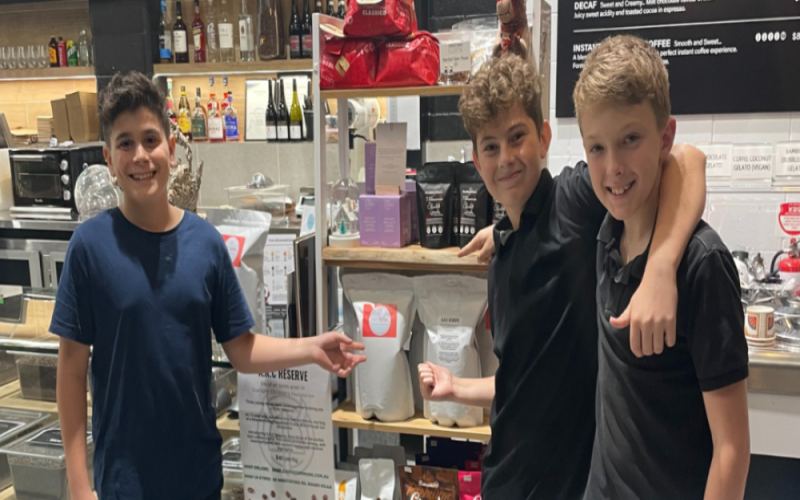
Three 12-year-old Australian teenagers founded the ARC coffee brand: an entrepreneurial journey from a school assignment to specialty espresso blends
While most 12-year-olds are still adjusting to school life, three teenagers from Australia—Arlee, Rocco, and Cristiano—have turned a school holiday assignment into a real coffee company: ARC Inc. From visiting local roasting workshops to finalizing their blend, from designing the brand identity to going door-to-door to sell their product, they personally completed the entire process of green bean selection, roasting quality control, packaging design, and sales planning. They created an espresso blend that combines flavors from Brazil, Australia, and Costa Rica, and donate 5% of the net income from each bag to a children's charity. This is not just a story about coffee, but also a practical lesson in growing up—about collaboration, gratitude, and the power of taking action. [more…]
A Complete Guide to Indonesian Specialty Coffee Beans: Flavor Guide to Sumatra Mandheling, Kalossi, Java, and Flores AP
Indonesia is Asia's most renowned coffee-producing country, with Sumatra, Sulawesi, Java, and Flores each cultivating beans of strikingly different character. Front Street Mantenin, with its rich, bittersweet body and distinctive aroma, stands as the epitome of masculine coffee; Gayo Mountain carries notes of clove and cardamom; Kalossi boasts bright fruit acidity and pronounced wild mushroom and herbal notes, while aged beans are mellow like fine old wine; in Java, the replacement of high-yield varieties has made quality Arabica hard to find; Flores AP is actually Robusta, yet its clean, low-acid profile has made it a staple in espresso blends. This article will guide you through each of these beans' processing methods, flavor characteristics, and roasting performance, while retaining Front Street brand product recommendations. [more…]
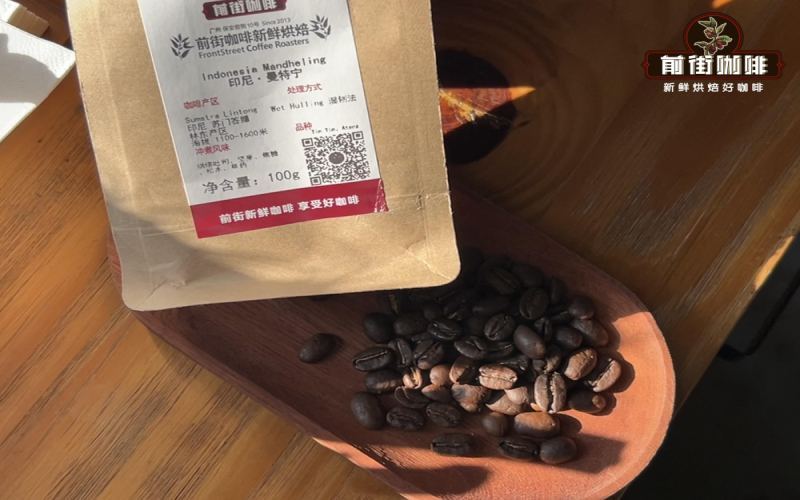
A Complete Analysis of Indonesia's Specialty Coffee Landscape: Flavors of Sumatra, Sulawesi, and Java Origins and the Toraja Specialty
Indonesia is a major heavyweight in global coffee production and a specialty coffee origin that cannot be overlooked in Asia. Although its commercial beans are mainly Robusta, specialty beans such as Sumatra's Mandheling and Lake Tawar, Sulawesi's Toraja, and Java's Old Brown still hold a place in the international market. This article reviews the terroir, processing methods, and grading systems of Indonesia's four major specialty coffee regions, with a focus on the rare charm of Toraja, while retaining brand information such as Front Street Mandheling and Front Street Golden Mandheling, to help coffee lovers build a clear flavor map of Indonesian coffee. [more…]
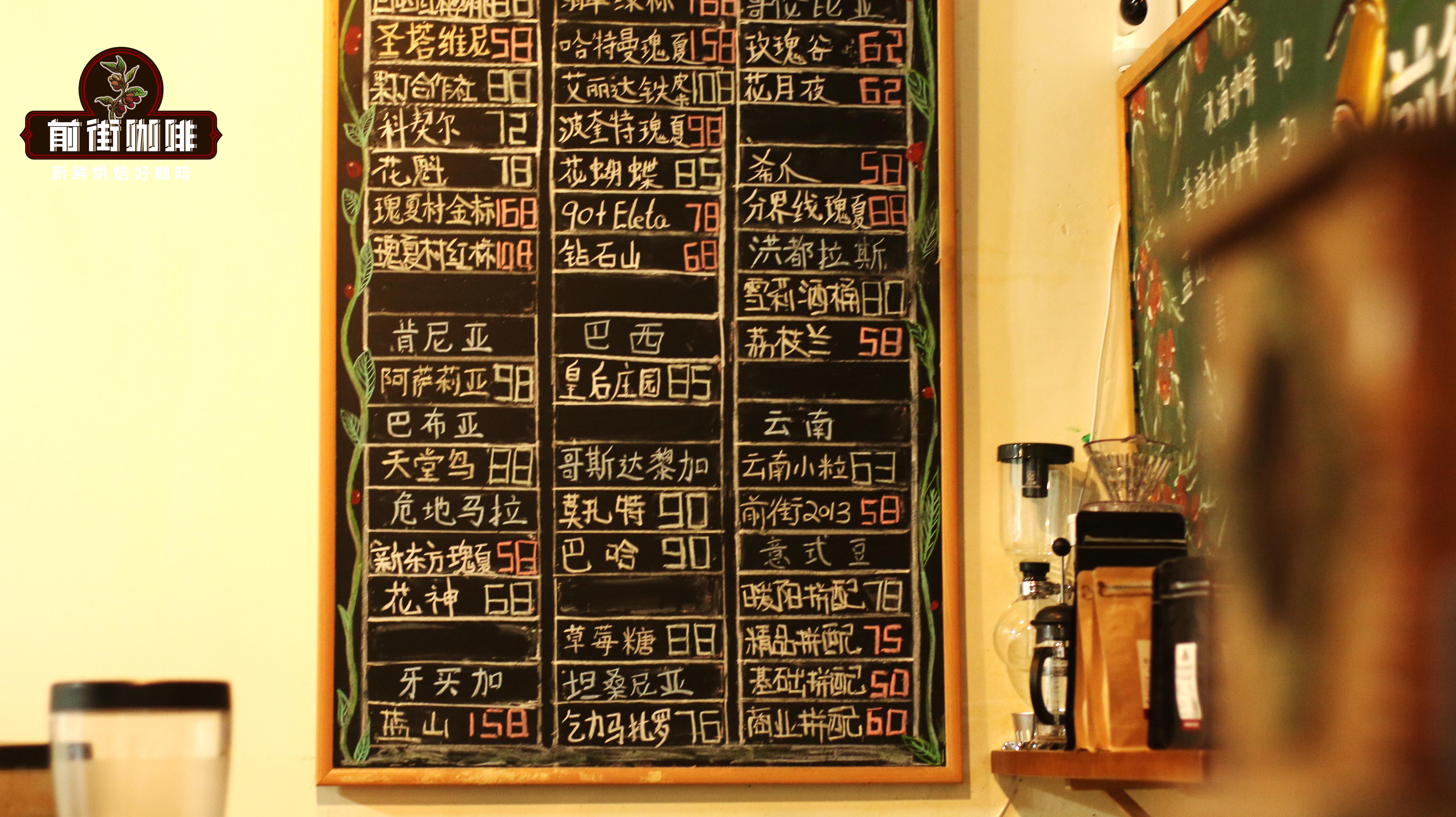
A Complete Guide to the Flavors of Asian Coffee Origins: Introducing Indonesian Mandheling, Yunnan Small-Bean, and Papua New Guinea Specialty Beans
Asian coffee has long been known for its rich, steady flavors—full, rounded sweetness with relatively restrained acidity and aroma. From Indonesia's Mandheling to China's Yunnan small-bean coffee, and on to Papua New Guinea's specialty beans, Asian origins rely on their unique climates and processing methods to shape deep-toned profiles of earth, spice, herbs, and chocolate. This article systematically reviews the varietal characteristics, processing methods, and flavor expressions of Asia's major coffee origins, and introduces product information for Front Street Coffee's currently available Indonesian Mandheling series, Yunnan Catimor and Typica, and Papua New Guinea Little Blue Mountain, helping coffee lovers gain a comprehensive understanding of the appeal of Asian coffee and how to choose it. [more…]
A Complete Guide to Asian Coffee Origins: An Overview of Indonesian Mandheling, Yunnan Small-Batch, and Papua New Guinea Flavors
Asian coffee occupies a unique position in the global coffee landscape. Its flavors are generally known for being rich and steady, with a strong, rounded sweetness, while its aroma and brightness are relatively restrained. From Indonesia's Mandheling to China's Yunnan Arabica, and on to Papua New Guinea's specialty beans, Asia's various producing regions have cultivated distinctly styled coffees thanks to their unique climates, soils, and processing methods. This article systematically reviews the varieties, processing methods, flavor characteristics, and representative products of Asia's major coffee origins, with a focus on Front Street Coffee's recommended Indonesian Mandheling series, Yunnan Baoshan Catimor, and Papua New Guinea Paradise Bird Estate, among other beans, to help coffee lovers gain a comprehensive understanding of the diverse charm of Asian coffee. [more…]
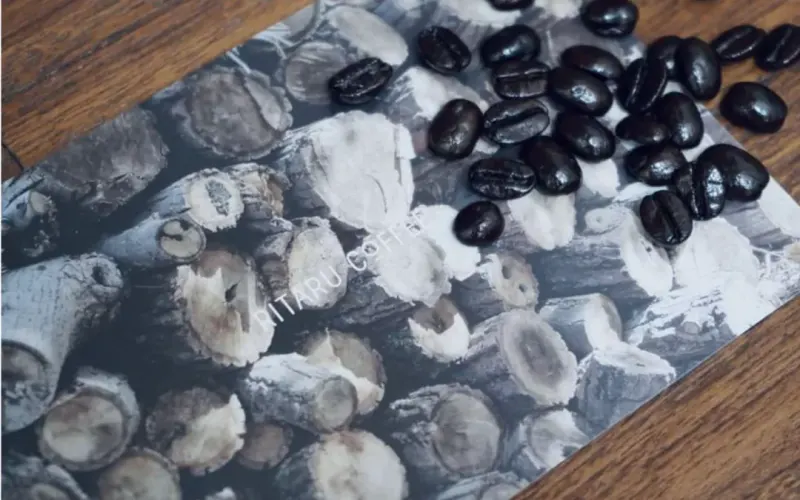
Smoking Coffee Beans with Wood Fire: A New Exploration from an Old Schoolhouse in Hokkaido to Smoky Flavors in the Cup
Smoky flavors in coffee are often seen as a defect, but properly roasted dark roast beans, Guatemala origins, and coffee smoked with specific woods can deliver a pleasant smoky experience. Hokkaido University in Japan, in collaboration with Sapporo's Ritaru coffee, used century-old trees felled during the demolition of old school buildings to smoke coffee beans, giving the coffee a unique woody aroma. Roasters must repeatedly experiment and make adjustments based on tree species, moisture content, thickness, and other factors, and often choose Guatemala or Tanzania beans to harmonize the flavors. This article will take you through the story and professional details behind this innovative process. [more…]

Post-Pandemic Coffee Shop Business Strategy Analysis: Practical Rules from Passion to Profit
After the pandemic, the coffee industry has entered a new round of reshuffling, and many aspiring entrepreneurs are starting to think about how to open a successful coffee shop. However, a love for the aroma of coffee and a relaxed atmosphere is far from enough—running a café is essentially a business. This article systematically sorts out the core elements of successful coffee shop management, from market research, professional knowledge, and operating models to brand marketing, and combines DATA100's consumer trend data to analyze the behavioral changes of young consumer groups. At the same time, the article also explores the different development paths of internet-famous shops and specialty shops, emphasizes the importance of product quality and word-of-mouth, and mentions the practices of brands such as Front Street Coffee in the specialty field, providing practical and feasible ideas for readers who intend to open a shop. [more…]

Exploring Aged Mandheling: A Comprehensive Analysis of Its Historical Origins, Aging Process, and Unique Flavor
In the mainstream pursuit of fresh coffee, Aged Mandheling stands out uniquely as an "expired" coffee. This special coffee originating from Sumatra, Indonesia, first acquired its unique flavor by accident during long sea voyages in the colonial era, and later evolved into a standardized aging process. This article traces the historical origins of Aged Mandheling, explains in detail its complete process from wet-hulling to warehouse aging, analyzes its differences from Golden Mandheling, and shares Front Street Coffee's cupping flavor description and pour-over parameter suggestions, giving you a comprehensive understanding of this rich and captivating classic coffee. [more…]
A Complete Analysis of Indonesian Aged Mandheling Wet-Hulled Method: From Accidental Aging to Golden Mandheling, A Front Street Coffee Brewing Guide
In the world of specialty coffee, freshness is usually regarded as the key to quality, yet Indonesia's aged Mandheling has won the favor of coffee lovers with a completely different stance. This coffee bean, known for its "expired" name, holds behind it a story of colonial-era shipping and a unique aging process. This article will explore in depth the origins of aged Mandheling, the characteristics of the wet-hulling process, and how it differs from Golden Mandheling, and, using Front Street Coffee's Golden Mandheling as an example, share how to brew a rich, full-bodied Mandheling black coffee at home. Whether you are a beginner just getting to know Mandheling or a seasoned connoisseur seeking advanced techniques, you will gain practical knowledge and inspiration from it. [more…]
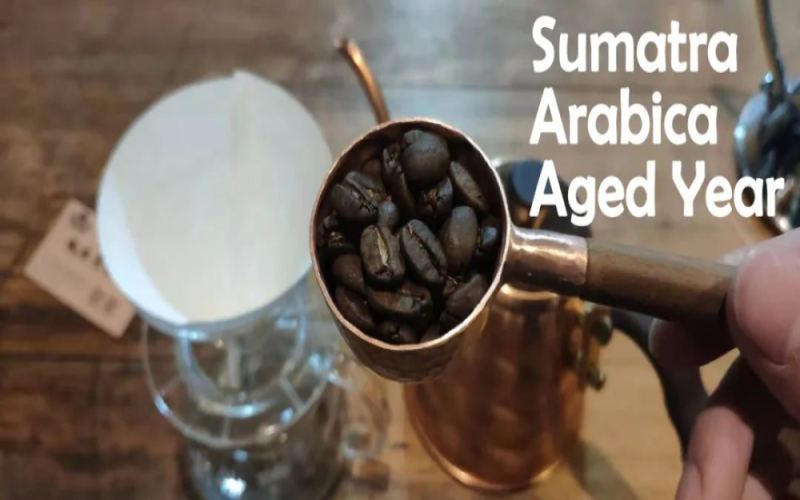
Analysis of the Origin of Indonesian Wet-Hulled Mandheling: Flavor Differences Between Aged and Golden Mandheling and Key Points for Pour-Over Brewing
Mandheling is the representative of Indonesian coffee, but did you know it also has Aged and Golden varieties? This article starts from the origin and processing method, first introducing how the wet-hulling method shapes the mellow base of Mandheling, then separately analyzing the accidental origin and standardized aging process of Aged Mandheling, as well as the strict screening standards of PWN Golden Mandheling. At the same time, Front Street Coffee shares pour-over parameters and a three-stage pouring technique for dark-roasted Mandheling, helping you brew a cup of Mandheling black coffee with full aroma and long-lasting sweetness at home. [more…]
Indian Monsooned Malabar Coffee Bean Flavor Analysis: A Complete Guide to Monsoon Processing and Pour-Over Parameters
Indian coffee has gained fame in the specialty coffee world not through traditional fruity acidity and floral notes, but by taking a unique path with its distinctive "cured" flavor, among which Monsooned Malabar is particularly well known. This coffee originated during the age of sailing ship transport in the 17th and 18th centuries, when green beans absorbed sea moisture and salt in the lower holds of ships, unexpectedly transforming into a special flavor profile that was yellowish-brown and almost completely lacking in acidity. After the opening of the Suez Canal shortened the voyage, Indian exporters, in order to recreate the old flavor, used the salty, humid monsoon winds along the Malabar Coast from May to September and processed the beans for several months in monsoon warehouses, causing the green beans to swell and change color while developing a rich nutty, grainy tone and an aroma and mouthfeel reminiscent of genmaicha. During cupping, Front Street Coffee found that this bean carried caramel, raisin, and herbal notes along with a berry finish. This article will provide a complete analysis of its producing region background, processing method, cultivated varieties, roasting curve, and brewing parameters, offering coffee lovers a detailed reference guide. [more…]